 GEAR
GEARRanked · 4 picks
Best IEMs for CS2 in 2026: 4 picks, and what pros really wear
Why elite Counter-Strike 2 players consistently swap bulky headsets for in-ear monitors (IEMs) on LAN. We rank the best gaming IEMs by directional imaging, high-frequency footstep clarity and long-session comfort.
Published 4 September 2026 · Updated 11 September 2026Affiliate links
Why IEMs dominate competitive CS2 & tactical gaming
In modern tactical shooters like Counter-Strike 2, directional audio precision wins rounds. Hearing the exact material an opponent is walking on — whether it is the metallic clatter in Mirage vent or sandy shuffling outside B on Dust II — gives you the split-second needed to pre-fire.
In-Ear Monitors vs Over-Ear Headsets
- Passive Noise Isolation: IEM silicone or memory foam tips seal the ear canal directly, blocking ambient PC fans, keyboard clicks, and room noise better than most closed-back gaming headsets.
- Micro-Detail & Driver Speed: Balanced armature and stiff composite dynamic drivers react faster than large headphone diaphragms, giving rapid auditory cues (reloads, pin pulls, scope clicks) razor-sharp clarity.
- Zero Head Fatigue: At less than 10 grams per earpiece, IEMs eliminate headband pressure and ear cup heat during marathon Premier and FACEIT grinding.
Footstep frequency breakdown: How to tune your CS2 audio
In CS2, different surface footstep sounds live in specific frequency ranges:
- Low-End Thud (80 Hz – 250 Hz): The physical weight of jumping and landing. Excessive bass in cheap headsets bloats this range and masks teammate footsteps.
- Surface Texture (1 kHz – 3 kHz): The distinctive scrape of boots on sand (Anubis/Dust II), wood (Inferno banana/apartments), and concrete.
- Pinpoint Metallic Clicks (4 kHz – 8 kHz): Ladder climbs, bomb defusal pin clicks, weapon scoping, and metallic vent steps.
Our top pick, the Truthear x Crinacle Zero: RED, separates the subwoofer band (<200 Hz) using a dedicated crossover, ensuring grenade explosions never drown out subtle flanking footsteps.
Do CS2 pros actually use IEMs? The honest answer
This is the question behind most searches that land here, and it deserves a straight answer rather than a marketing one.
At LAN, yes — because they have no choice. Tournament rules require players to wear large soundproof ear defenders over their ears, to block crowd noise and prevent any chance of hearing information from outside the server. Those defenders go over something, and a bulky over-ear headset does not fit underneath. IEMs do. That is the real reason the LAN stage is full of in-ears.
At home, mostly no. We maintain a database of pro settings and gear, and every player in it currently runs an over-ear headset:
| Player | Headset |
|---|---|
| m0NESY, NiKo, sh1ro | HyperX Cloud III |
| ZywOo, apEX | Logitech G PRO X 2 LIGHTSPEED |
| donk | Razer BlackShark V2 Pro |
| ropz | SteelSeries Arctis Nova Pro Wireless |
So if you came here expecting “the pros use IEMs, therefore you should”, the honest version is narrower: pros use IEMs when a headset physically cannot go under ear defenders. Outside that constraint, most of them go back to over-ear.
That does not make IEMs a bad choice for you — the arguments below stand on their own merits. It just means the argument from authority does not hold, and anyone selling it to you is not looking at the same data.
The thing that actually decides your isolation: the seal
Driver counts sell IEMs. The seal is what makes them work.
An in-ear monitor isolates by closing your ear canal. If the tip does not seal, you lose the low end first — and with it, the contrast that makes a footstep stand out against room noise. A €200 set with a bad seal is beaten by a €40 set with a good one, every time.
Three practical consequences:
Try every tip in the box. Most IEMs ship with three or four sizes, and a large number of people need different sizes in each ear. It feels wrong; it is completely normal.
Foam beats silicone for isolation, silicone beats foam for treble. Memory foam tips expand into the canal and block more ambient noise, which helps in a noisy room or a LAN hall. They also soften the 4–8 kHz band slightly, which is exactly where metallic footstep cues live. Pick according to your room, not according to a review.
If you have to push hard to get a seal, the tip is too small. A seal that needs pressure will break the moment you move your jaw — talking on comms, for instance. The right size seals with almost no force.
Which of the four, for whom
All four are under the price of a mid-range gaming headset, and all four beat a cheap headset on isolation. The difference between them is tuning, not quality.
You want the safest first IEM. Take the Truthear x Crinacle Zero: RED. Its dual-dynamic design puts a dedicated driver on the sub-bass, so explosions stay in their own lane instead of smearing over footsteps. It is the least likely of the four to disappoint, and the one to pick if you are not going to spend an evening comparing.
You want to tune it yourself. Take the Linsoul KZ ZS10 Pro 2. Its hardware switches let you lift or cut bands physically rather than through software, so you can flatten the low end for competitive play and put it back for music without touching an equaliser.
You want the smallest, lightest, cheapest way in. Take the Moondrop CHU 2. It is the one to buy if you are unsure whether in-ears suit you at all — the cost of finding out is minimal.
You also listen to music on them. Take the Kiwi Ears Quartet. Its hybrid array is the most even of the four across the whole range, which is worth more outside the game than inside it.
What to pair them with
IEMs have no microphone, which is the one practical thing they cost you.
A standalone USB desktop microphone on a boom arm is the usual answer, and it is a genuine upgrade over any headset boom mic. The cheaper route is an aftermarket 2-pin cable with an inline mic, which costs very little and keeps everything on one cable.
You do not need a DAC or an amplifier. All four of these sit under 32 ohms with high sensitivity: a motherboard jack or a USB-C dongle drives them to painful volumes. Spend the money on tips instead.
For the rest of the setup, see the pro settings and gear database and our gaming IEM category page.
Truthear Zero: RED IEM
Truthear x Crinacle
Co-designed with acoustic expert Crinacle, the Zero: RED delivers textbook neutral tuning with dual dynamic drivers. It separates explosive sub-bass from delicate footstep frequencies better than almost any IEM under €100.
- Architecture
- Dual Dynamic (10mm + 7.8mm)
- Tuning
- Crinacle Target + 10Ω Adapter
- Impedance
- 17.5 Ω
- Cable
- Detachable 0.78mm 2-Pin
- Dual dynamic driver crossover isolates grenade rumbles from footsteps and defuse clicks
- Ultra-low distortion and clean upper-midrange give unmatched spatial localization
Nozzle diameter is slightly wider than average — may take a day to adjust to smaller ears
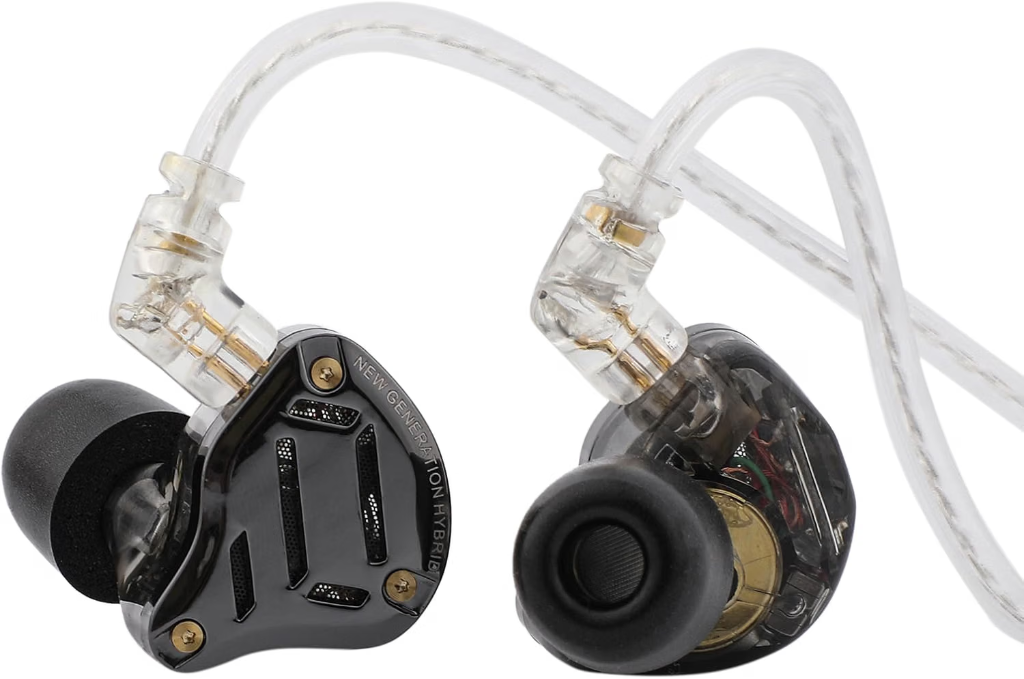
KZ ZS10 Pro 2 IEM
KZ / Linsoul
The second generation of KZ's legendary budget IEM adds custom tuning switches and redesigned balanced armatures, delivering incredible directional footstep separation in CS2 for under €60.
- Architecture
- 1DD + 4BA Hybrid (5 drivers)
- Tuning
- 4-Level Hardware Switches
- Impedance
- 25–28 Ω
- Cable
- Detachable 0.75mm 2-Pin OFC
- 5-driver hybrid configuration per ear provides pinpoint spatial accuracy for footsteps and defuse cues
- 4-level physical tuning switches allow instant EQ adjustment to boost high-frequency audio cues
Stock silicone tips are basic — swapping for memory foam tips improves bass response and seal
Moondrop Chu II IEM
Moondrop
At under €25, the Moondrop Chu II punches far above its weight. Featuring a rigid aluminum-magnesium alloy dome and detachable 2-pin cable, it delivers crisp highs for footsteps and pin-point audio positioning on a budget.
- Architecture
- 10mm Al-Mg Dynamic Driver
- Diaphragm
- Aluminum-Magnesium Alloy
- Impedance
- 18 Ω
- Cable
- Detachable 0.78mm 2-Pin
- Unbeatable price-to-performance ratio for competitive gaming under €25
- Upgraded detachable 0.78mm 2-pin cable solves the durability issue of the original Chu
Smaller soundstage width compared to multi-driver hybrid IEMs
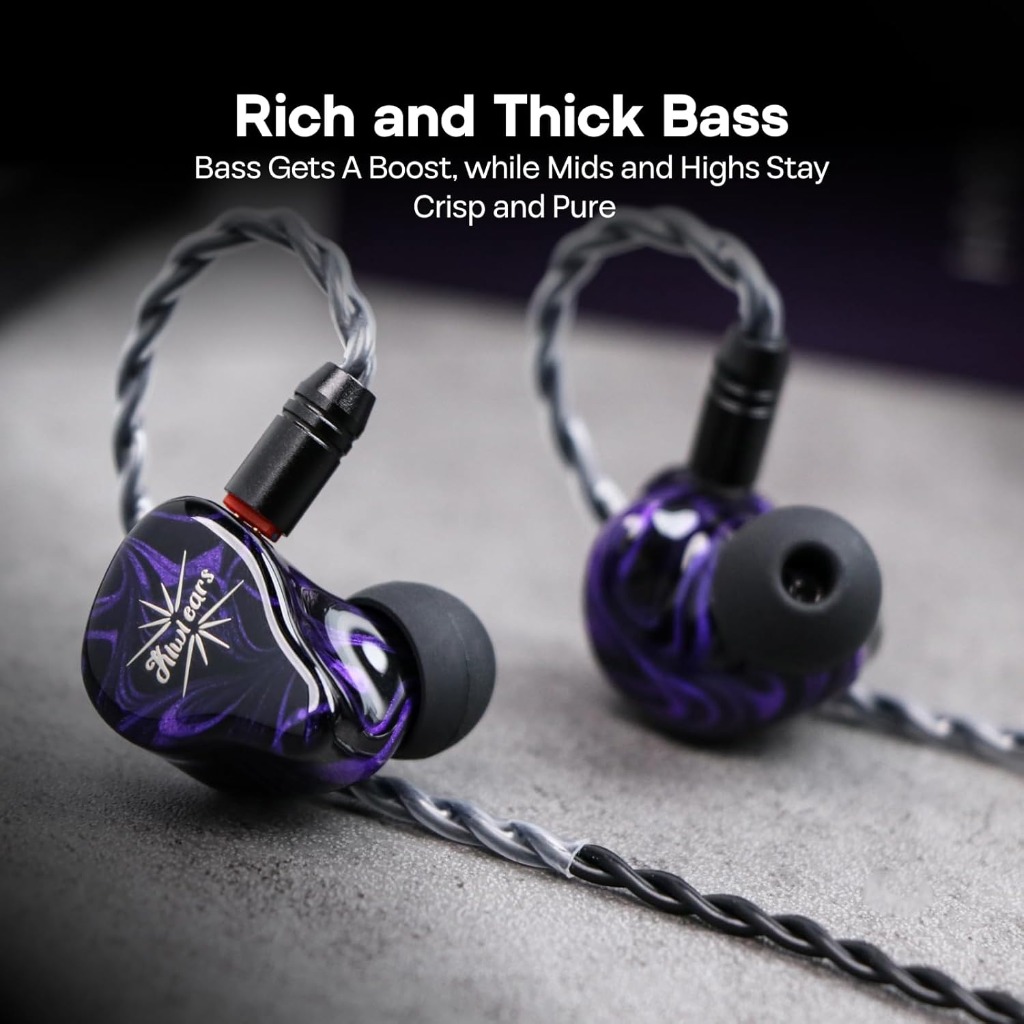
Kiwi Ears Quartet IEM
Kiwi Ears
A high-performance quad-driver IEM featuring dual dynamic subwoofers and dual balanced armatures. Physical DIP switches let you customize bass boost and treble clarity for CS2 footstep tracking.
- Architecture
- 2DD + 2BA Quad-Driver
- Impedance
- 32 Ω
- Tuning
- Dual DIP Switches
- Cable
- Detachable 0.78mm 2-Pin
- Quad-driver architecture separates sub-bass explosions from crisp mid-high footstep audio
- Dual built-in DIP tuning switches allow hardware customization of frequency response
Does not include an inline microphone — requires a dedicated desktop microphone

Season 1 · CS2 skin giveaway
CS2 Rifle
M4A1-SBlack Lotus
Field-Tested
One skin, given away every month to subscribers of the YouTube and TikTok channels. Free to enter, no purchase, no gear required.
Claim your ticket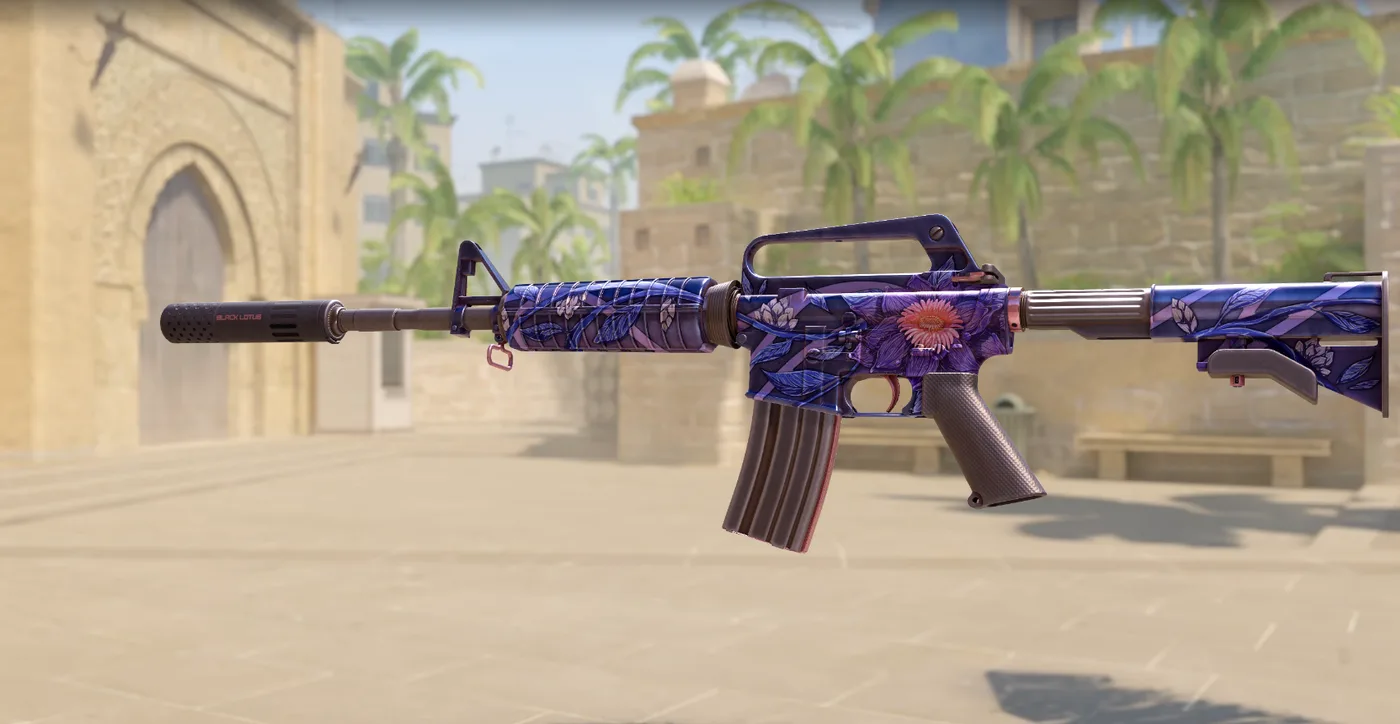
FAQ
Frequently asked
Why do pro CS2 players use IEMs instead of headsets?
At LAN tournaments, players must wear mandatory soundproof ear defenders over their ears. Underneath, they wear IEMs because they fit flush inside the ear canal. Online, pros continue using IEMs to avoid head fatigue and to get cleaner directional isolation without the clamp pressure of heavy over-ear headsets.
Are IEMs better than gaming headsets for hearing footsteps in CS2?
In most cases, yes. A proper in-ear seal creates superior passive acoustic isolation and brings the sound source closer to your eardrum. Hybrid and tuned dynamic IEMs deliver crisp, fast high-frequency response, making footsteps and defuse sounds distinct from low-frequency utility explosions.
What is the best IEM under €60 for CS2?
The Truthear x Crinacle Zero: RED (dual dynamic driver with dedicated subwoofer) and the Linsoul KZ ZS10 Pro 2 (hybrid 1DD + 4BA with hardware tuning switches) are the two highest-rated competitive IEMs under €60.
How do I communicate with teammates if IEMs don't have a microphone?
Most competitive players pair their IEMs with a standalone USB desktop microphone (such as a HyperX QuadCast or dynamic mic on a boom arm). Alternatively, you can swap the cable for an aftermarket 2-pin IEM cable that includes an inline microphone.
Do I need a dedicated DAC/AMP for competitive gaming IEMs?
Generally no. Competitive IEMs like the Truthear Zero: RED and KZ ZS10 Pro 2 have low impedance (under 32 ohms) and high sensitivity. Your motherboard's 3.5mm jack or a simple USB-C to 3.5mm dongle provides plenty of clean driving power.
Win a CS2 M4A1-S Black Lotus this month. Free entry for subscribers + daily tickets on Daily Duel.